


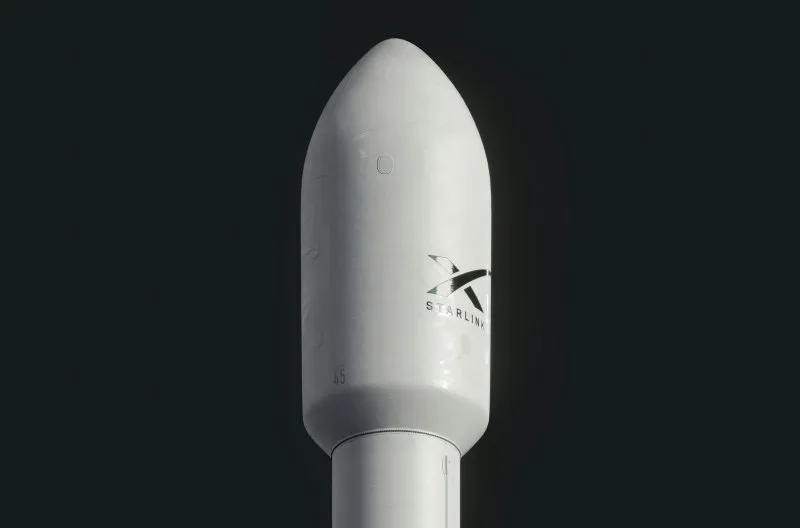
The Starlink logo is seen on the payload fairing of a SpaceX rocket. — Unsplash pic
Stay updated on the latest news and insights. Subscribe to our newsletter here
 Make Malay Mail your preferred source on Google Giving you news that matter to Malaysians. Make Malay Mail your preferred source when you search for news on Google.
 Giving you news that matter to Malaysians. Make Malay Mail your preferred source when you search for news on Google.

First Published: Sunday, 29 Nov 2026 9:00 PM MYT
SAN FRANCISCO, Nov 29 — Iran used Elon Musk’s Starlink satellite internet service to help wage attacks on US forces after the United States and Israel began bombing the country, The Washington Post reported.
Four people familiar with the operations told the newspaper that Iran’s military use of Starlink had not been reported before.
According to the US newspaper, Musk was enraged in early March when his team concluded that Iran was exploiting the service against US forces, according to two people familiar with internal discussions at his company SpaceX.
That same week, he also learnt that the US military was flying one-way drones on Starshield, the militarised version of Starlink, using a cheaper plan meant only for ground operations, one of the people said.
On March 1, an Iranian drone strike on a US military facility in Kuwait killed six American service members, and within hours SpaceX imposed identity checks on Starlink users on aircraft flying faster than 100 mph, The Washington Post reported.
A classified report to US Defence Secretary Pete Hegseth described Iran’s use of Starlink to command forces and oversee one-way attack drone operations, one person familiar with the document told the newspaper.
The Pentagon told The Washington Post it was not aware of any such report, while SpaceX and Musk did not respond to requests for comment.
Industry executives told the newspaper that before SpaceX tightened its reseller rules after March, a Starlink terminal could be activated in one country and used in another, and that once terminals are in public hands it is nearly impossible to stop them reaching adversaries.
SpaceX could probably shut down terminals in Iran, but analysts said it was unlikely to do so because dissidents and ordinary Iranians rely on them to get around internet controls.
Cari Stinebower, a former US Treasury sanctions lawyer, told The Washington Post that Iran’s Revolutionary Guard Corps and its Quds Force run front companies in South America, South-east Asia, the Middle East and Europe, which could easily fool legitimate exporters.
She was speaking about Iran’s long-running efforts to evade sanctions, and The Washington Post did not link any of those companies to Starlink.
Malay Mail was unable to independently verify the claims.