


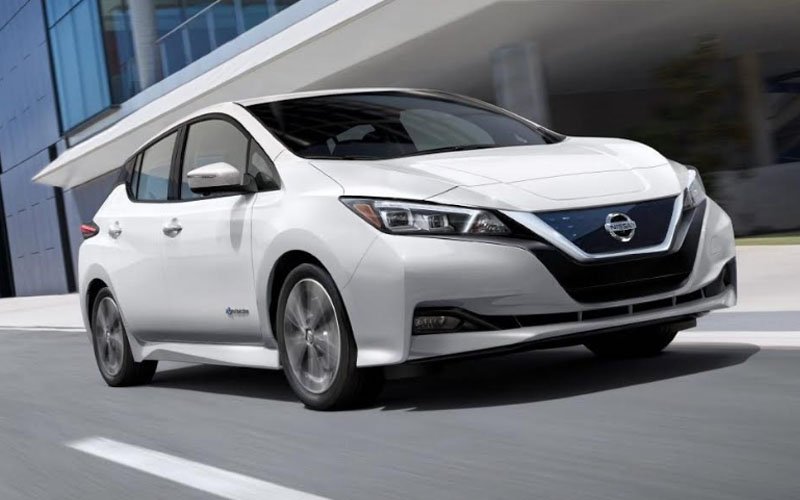


Japanese auto manufacturers have been toying with alternative powered vehicles for some years now, even before the European Union was looking at troubling emission levels.
In 1997 Toyota launched the first ever hybrid car, the Prius and Honda followed with the Insight. To date, Japan has the highest number of hybrid vehicles in the world at over 17 million units.
Being a nation that imports all its fuel, Japan needed to look at cheaper fuel sources and still offer its car buyers fun and reliable vehicles.
Now comes news that the Japanese government is considering imposing the ban on the sale of internal combustion engine cars just like with many European nations.
This ban is said to be in effect by mid-2030 and was recently reported by Japanese public broadcaster NHK.
In accordance with Prime Minister Yoshihide Suga’s plan to slash Japan’s net carbon emissions to zero by the year 2050, the land of the rising sun is the latest in an ever-increasing list of countries to abolish the sale of petrol and diesel-powered cars within its borders.
This sales restriction looks to only apply to cars running solely on petrol or diesel fuel.
New hybrid engine cars, with its accompanying petrol or diesel piston power plants, still appear legal to sell after the ban is imposed.
Thus far, no further details regarding this matter has yet to be provided by the Japanese government.
Nevertheless, chief government spokesman Katsunobu Kato has stated that Japan’s industry ministry will map out a plan by the year-end, after expert-level debates on this matter have been finalised.
According to a report published by the Boston Consulting Group, the share of EVs in Japan will increase to 55% by 2030, mainly attributed to battery prices falling more rapidly than previously expected.
Having said that, Japanese automakers have also been actively pushing electrification for quite some time now, both internationally and domestically.
Considering that all the main Japanese automakers have had their own production hybrid systems for years now, this ban would probably not hit these automakers too hard.
Furthermore, nearly all major players within the Japanese auto industry have slowly but surely, been transitioning towards an all-electric future, both in terms of battery or hydrogen-powered EVs.
What is perhaps more interesting for Japan’s incoming petrol ban would be how this restriction will affect the country’s Kei car industry.
All Kei cars in the market currently feature pure petrol-powered 660 cc engines. How then will this ban affect the rather large market for these rather tiny cars over there?
This article is powered by DS&F. For more automotive updates, follow DS&F on Facebook and Instagram.