


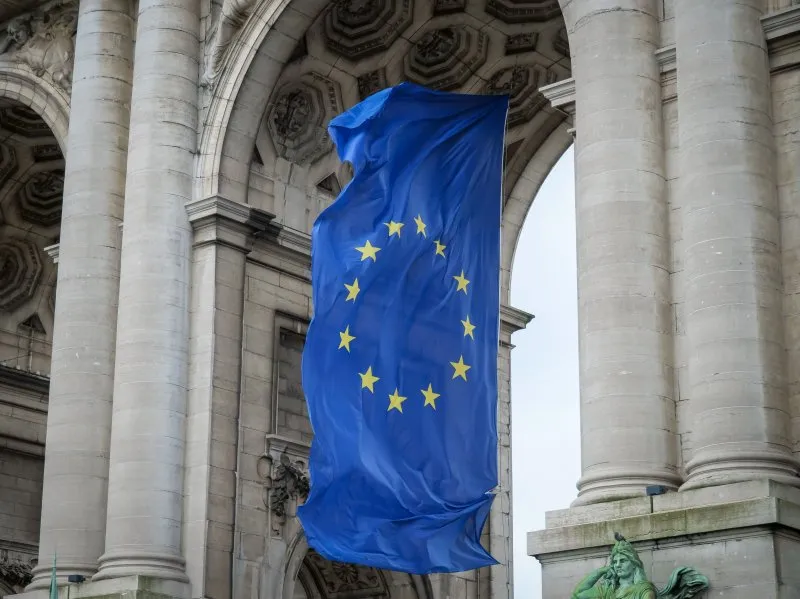

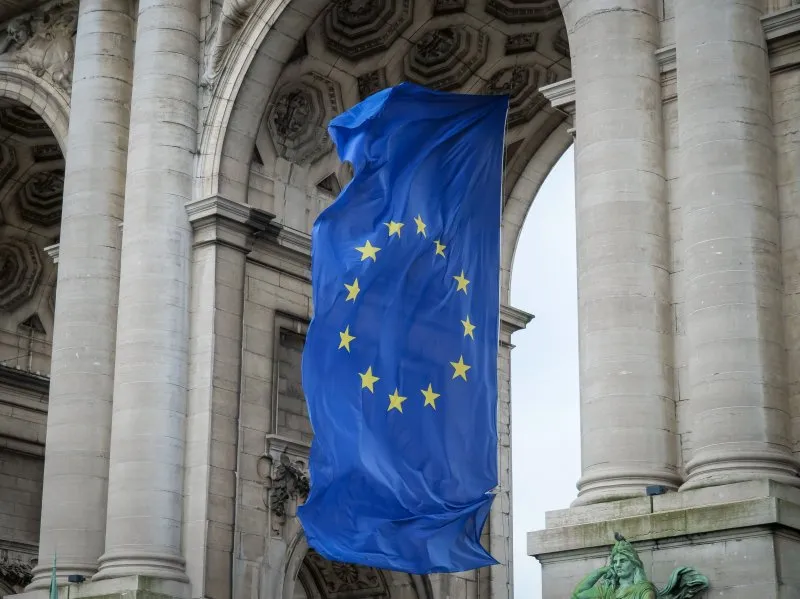
The European Union is bracing for a year of election shocks as four out of its five largest member states head to the polls between now and end 2027. — Pexels pic
Stay updated on the latest news and insights. Subscribe to our newsletter here


BRUSSELS, Nov 26 — What will tomorrow’s Europe look like?
The answer may hinge on a looming year of back-to-back elections, with France at centre stage, that could change the face of the EU and potentially jam its decision-making.
Between now and the end of 2027, four of the European Union’s five largest countries will choose new leaders in contests marked by the rise of eurosceptic forces — groups wary of Brussels’ influence which seek to grant more power to individual member states.
It will be an unprecedented series of political tests for the bloc.
The most consequential vote takes place in April and May in France, where far-right leader Marine Le Pen is running in the lead.
Depending on the outcome in France and elsewhere, “what we risk is paralysis” in European decision-making, summed up one Brussels diplomat, granted anonymity to discuss the sensitive matter.
End of the Sanchez era?
The high-stakes electoral cycle kicks off this Sunday in Spain.
Shaped by heated debates over immigration and housing, that vote could end the era of Prime Minister Pedro Sanchez.
After more than eight years in power, Sanchez is one of the last remaining socialist leaders in the 27-nation bloc, often at odds with his counterparts including on migration and defence.
Most polls show him losing to conservative rival Alberto Nunez Feijoo.
The vote could also see the far right enter government for the first time since Francisco Franco’s dictatorship ended in 1975, with the Vox party seeking to play kingmaker.
Looking into next year, close attention will focus on Italy, where hard-right leader Giorgia Meloni faces a challenge on her right flank from former general Roberto Vannacci, an anti-migration hawk opposed to military aid for Ukraine.
And Brussels will be scrutinising parliamentary elections in Poland, set for a new showdown between the camp of pro-European Prime Minister Donald Tusk and that of nationalist President Karol Nawrocki.
At stake: two radically different visions of Europe, laid bare by a standoff surrounding Poland’s Constitutional Tribunal this autumn.
Next year will also bring elections in a host of smaller EU nations, such as Estonia –- an ardent backer of Ukraine which accuses Russia of targeting it with a campaign of sabotage.
Polls are likewise scheduled in Greece, Finland and Slovakia, where Prime Minister Robert Fico maintains friendly ties with the Kremlin.
Radical change
But no race is causing more concern in Brussels than the French presidential race.
Frontrunner Le Pen is pushing a vision for Europe in stark contrast to the one championed by President Emmanuel Macron over the past decade.
The National Rally (RN) leader has made clear she would shelve plans for further EU enlargement and pull the plug on funding for Ukraine.
Le Pen recently travelled to Brussels to make her case, vowing to pare back the European Commission to a “secretariat” serving member states and slash France’s contribution to the EU budget.
Celia Belin, of the European Council on Foreign Relations, said Le Pen’s “radical” policies on Europe “would be putting France on a collision path with EU institutions”.
Summit standoffs
The bloc’s top officials have yet to establish meaningful contacts with Le Pen, making it all the more difficult to predict the knock-on effects her election could have in Brussels.
It is an open question how discussions among the bloc’s 27 leaders might unfold during late-night European summits, if a victorious Le Pen decided to play hardball.
With German Chancellor Friedrich Merz already weakened in Berlin, would her election cause the EU’s decision-making machinery to grind to a halt?
Could commission chief Ursula von der Leyen – a frequent target of eurosceptics across the bloc – suffer the consequences?
Some in Brussels are already gaming out worst-case scenarios.
Others prefer to downplay Le Pen’s statements, arguing that if she comes to power she will have little choice but to work within the EU framework — as did Italy’s Meloni.
“Not everything has to be the end of the world,” countered one diplomat. “If there is a vacuum, other countries will fill the gap.”
Others caution against reading too much into polling, arguing eurosceptic forces may fail to convert momentum into votes.
But officials and diplomats AFP spoke to broadly agreed on one thing: the EU needs to bolster its ability to weather electoral shocks in the months ahead.
That effort starts now with hard-fought negotiations to agree the bloc’s next seven-year budget, and to secure funding for Ukraine through 2027. — AFP